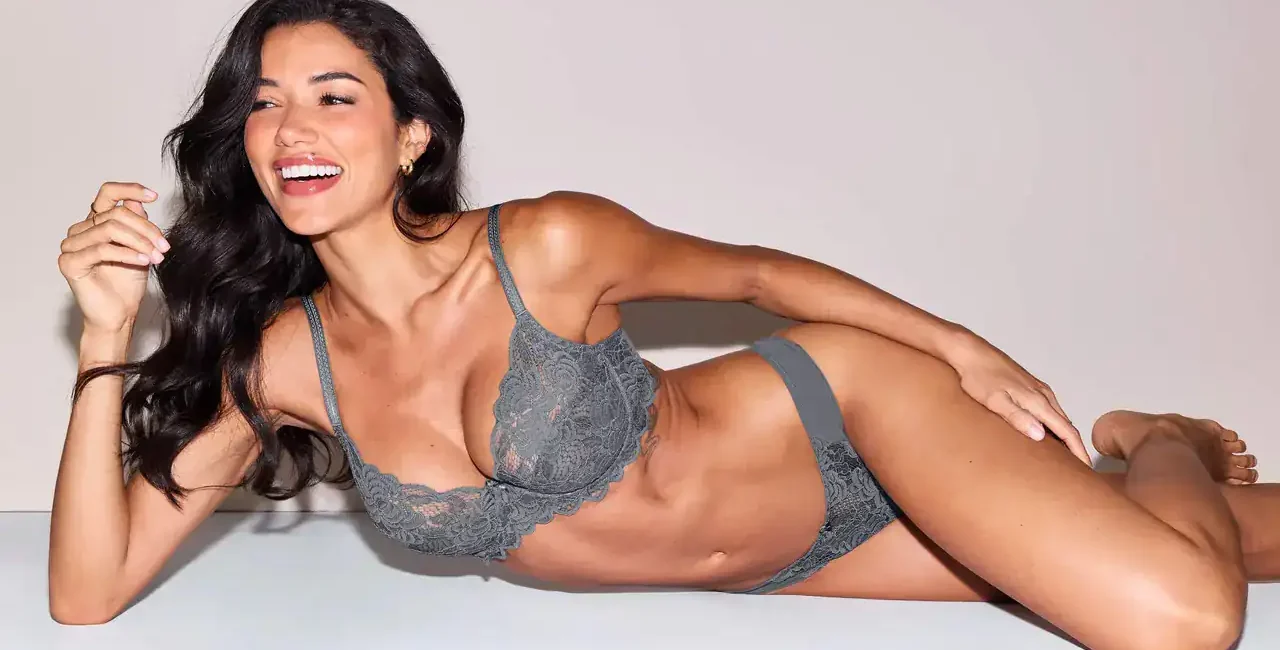
Crotchless lingerie looks like the simplest corner of the lingerie aisle: a garment with an opening where the gusset would normally sit. Then you start shopping and meet slits, splits, teddies and bodysuits that all promise to be the one.
The gap between a piece that feels confident and one that chafes comes down to cut, fabric and fit, and few retailers explain any of them. This guide does, along with current US prices, quality checks and care rules.
An Old Idea With a Practical Past
The design is older than most people assume. Lingerie brands point to Victorian and French “split drawers,” which let wearers use the toilet without removing layered skirts and petticoats.
Modern versions kept the opening and traded practicality for personality. That history matters for one reason: the construction is meant to move with your body, so the details of how a piece is cut decide whether it works.
Cut Decides Comfort
Openings range from a discreet slit to a fully open cutout, and the silhouette around that opening changes how the piece feels. Hanky Panky, Adore Me and other US labels sell the same idea across thongs, bikinis, hipsters, high-waisted briefs, teddies and bodysuits.
| Silhouette | Coverage | Best for | Fit note |
|---|---|---|---|
| Thong or G-string | Minimal | A barely-there look, sleek under clothing | Can slide and rub if the size is off |
| Bikini or cheeky hipster | Moderate | Balancing coverage and wearability | A cheeky cut gives more back coverage than a thong |
| High-waisted brief | Fuller, with midsection support | A retro look and a defined waist | Measure your waist carefully |
| Teddy or bodysuit | Full torso | Special occasions and sets | Straps and ties allow some adjustment |
The table works as a starting point, not a rule. Two pieces with the same name can differ a lot in rise and leg height between brands.
Slit, Split or Fully Open?
A slit stays closed until you move, so it reads as discreet and keeps more of the coverage you are used to. A wide cutout is a deliberate statement. A peekaboo style, which puts a small cutout at the back, offers a playful middle ground.
If this is your first pair, a slit or a high-waisted brief is a gentler place to start than a fully open thong.
Fabric: Where Skin Meets the Edges
With no gusset, the fabric that touches you most is the waistband and leg openings. That is where chafing happens, so soft stretch lace with scalloped or bound edges beats stiff trim. Brands commonly use stretch lace for delicacy, mesh or tulle for lightness, and satin or silk for a smoother feel.
Dermatologist Rochelle Torgerson of the Mayo Clinic says cleanliness, material and fit matter more than the style of underwear, and that irritation is the main limit. One brand blog notes that nylon can bother sensitive skin, so a softer blend is worth trying if you react easily.
None of the retailer pages I read lists fiber percentages for these pieces. Check the product label before buying, and wash anything new before the first wear. Case Western dermatologist Susan Nedorost advises this, since reactions are often tied to dyes in clothing.
Sizing Without Guesswork
Because crotchless lingerie sits close to the body with no gusset to anchor it, sizing errors show up fast. A pair that is too small digs in, while one that is too large sags or bunches. Measure your waist, hips and thighs, and compare them to the brand’s chart instead of trusting your usual size.
Size ranges vary. Adore Me lists XS through 4X in this category, with bands from 30 to 46 and cups from A to I on bodysuits. Hanky Panky offers one-size, S, M, L and other options, so check which sizes each style comes in.
Adjustable straps, ties and waistbands give you room to fine-tune the fit. If you are between sizes, lean toward the style with the more adjustable feature and test the stretch of the lace before you commit.
What You’ll Pay in the US
Prices vary more by label and sale than by quality. On Hanky Panky’s site, a Signature Lace crotchless thong costs $20, a cheeky hipster $34, a luxe lace brief $36 and a nude illusion bikini $40. Multi-packs drop the price per pair, with five for $112 on some styles.
Mentionables listed a velvet panty at $34.99, reduced to $24.49 on sale. Adore Me advertises panties from $2.99 in its sale menu, and a plus-size bridal thong on Hanky Panky dropped to $9.99. Prices change often, so treat these as snapshots from this month.
Higher prices do not guarantee better materials. Some brand pages say only “high-quality fabric,” so rely on the label and reviews, not the price tag.
Check Quality in Your Hands
Look at the edges first. The opening should be neatly bound or finished, not raw or scratchy, because that edge touches skin directly. Scalloped or wide elastic waistbands spread pressure and are less likely to dig in.
Stretch the lace gently. It should spring back without thinning, and the seams should lie flat. Competitors rarely describe construction, so these checks are practical judgment, not a standard.
Hygiene Questions Worth Asking
Most advice about crotchless lingerie and health is thin, so here is what the evidence supports. OB-GYN Sherry Ross recommends cotton or cotton-blend gussets for everyday underwear because they breathe better. A study of about 1,000 women linked thongs without cotton crotches to more yeast infections.
Crotchless pieces have no gusset at all, so that comparison does not map neatly onto them. What does transfer is the broader lesson. A 2019 study found no increase in urinary tract or bacterial vaginosis infections among regular thong wearers, and the risk rises with dirty, poorly laundered or ill-fitting pieces.
For daily wear, a cotton-gusset pair such as seamless cotton briefs built for everyday comfort is the safer default. Save lingerie for occasions, change out of damp pieces promptly, and stop wearing anything that causes irritation.
Washing and Care
Lace is the most delicate fabric in this category. Hand wash it in cool water with lingerie soap for 15 to 30 minutes, rinse well, press out water without wringing, and lay it flat to dry.
Satin made of polyester or nylon can go in the machine in warm water inside a laundry bag, and plain mesh can go on a gentle cycle. Embroidered, flocked or beaded mesh should be hand washed like lace.
Skip scented products and fabric softener, and wash lingerie separately from rough items. A brand guide recommends mild, unscented detergent for anything that touches sensitive skin.
Wearing It for the First Time
Comfort comes first, so try a piece at home before an occasion. Walk, sit and move around to see whether the edges dig in or the opening shifts.
If a partner is involved, a short conversation about what you want to wear and when removes pressure on both sides. Lingerie is not a barrier method, so choose protection the way you normally would.
Buying It as a Gift
Gift shoppers face the sizing problem without the measurements. Choose a style with adjustable straps, ties or a stretch waistband, since those forgive a size that is slightly off. A teddy with ties gives more room for error than a close-fitting brief.
Skip the guesswork on color and style too. Black and red are the staples, and Hanky Panky sells a white version aimed at bridal shoppers. Look for a retailer that allows returns on unworn items, and keep the packaging and tags until the recipient has tried it on.
If you are unsure, ask a friend who knows her size, or give a gift card so she can choose the cut and fabric herself. A piece that fits and feels comfortable gets worn, which beats an expensive one that stays in the drawer.
The Bottom Line
Choose crotchless lingerie by cut, fabric and fit, not by the photo on the product page. Start with a slit or high-waisted style, measure before you buy, read the label, wash it before wearing, and hand wash lace.
Do that, and you get a piece you want to wear more than once.
Frequently Asked Questions
What exactly is it?
It is lingerie with an opening or cutout where the crotch panel would normally be. Styles range from a discreet slit to a wide open cut across panties, teddies and bodysuits.
Is it comfortable for everyday wear?
Some brands say well-sized pieces are comfortable for long wear, but those claims are promotional. A dermatologist quoted by The Healthy says fit and cleanliness matter more than style, so choose a cotton-gusset pair for daily wear.
Which style should a beginner start with?
A slit or high-waisted style offers more coverage and a gentler introduction than a fully open thong. A peekaboo back is another low-pressure option.
How do I find my size?
Measure your waist, hips and thighs and compare them with the brand’s size chart. Adjustable straps and ties can help fine-tune the fit.
How do I wash it?
Hand wash lace in cool water with lingerie soap and lay it flat to dry. Machine wash satin and plain mesh in a laundry bag, and use mild, unscented detergent.
Can it cause infections?
Cleanliness, fit and material matter more than style, according to a Mayo Clinic dermatologist. Change out of damp pieces, avoid ill-fitting sizes, and see a doctor if irritation continues.
Does it protect against STIs?
No. Lingerie is not a barrier method, so use condoms or other protection as you normally would.
How much does it cost?
US prices run from about $20 to $40 per pair at major labels like Hanky Panky, with sales and multi-packs lowering the price. Check the label for fabric content, since price alone does not show quality.