
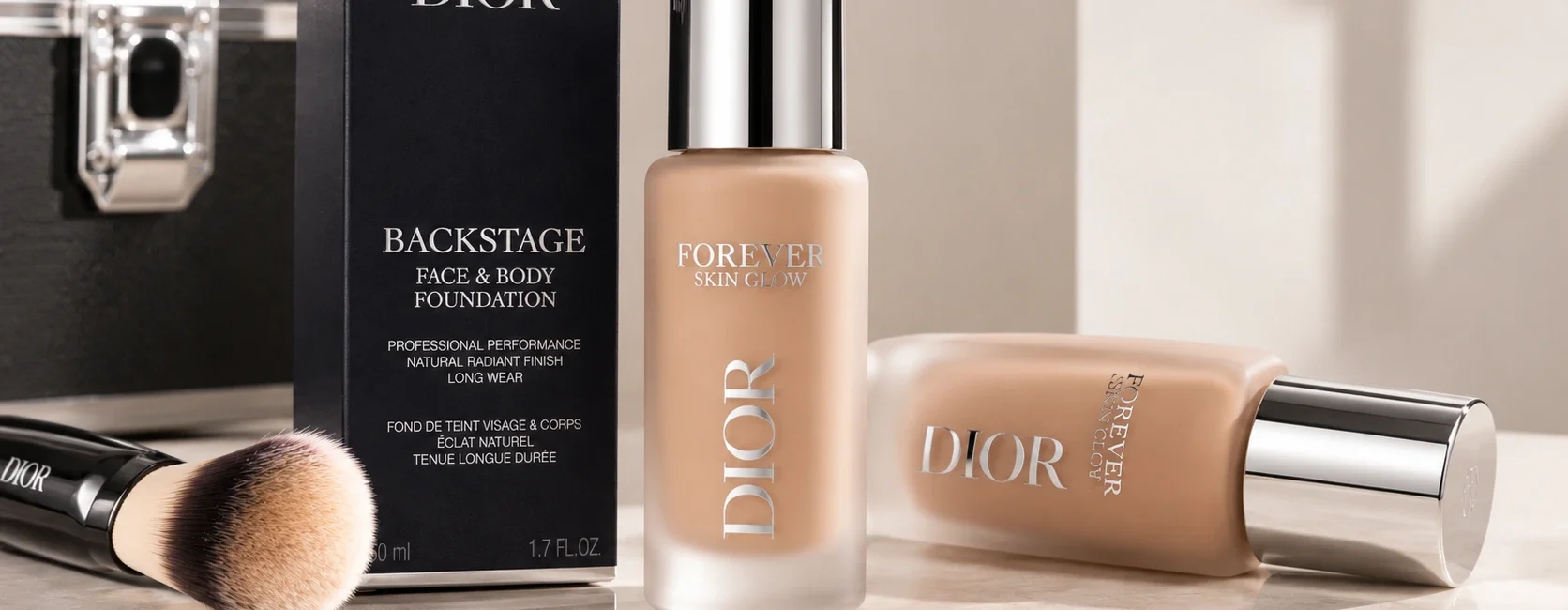
Some foundations promise flawless coverage. Dior’s Backstage Face & Body Foundation promises something different: a light, water-based base that looks like skin, not makeup, and that you can use from your cheeks to your collarbone. It’s a cult favorite for natural, “your skin but better” looks, and it’s also divisive, because the finish, coverage and size listed online don’t always match. This guide cuts through that. You’ll see what the foundation is, what independent reviewers found, how to choose a shade, how to apply it on face and body, and who should skip it.
Quick Verdict
| Product | Dior Backstage Face & Body Foundation |
| Price | $43 on Dior’s US site (earlier coverage listed $40) |
| Size | Usually listed as 50 ml; one review cites 100 ml, so check the bottle |
| Coverage | Sheer to medium, buildable |
| Finish | Natural, skin-like (Dior calls it luminous; one reviewer found it natural matte) |
| Shades | 40 at launch, in a numbered undertone system |
| Formula | Water-based, non-comedogenic, about 94% natural-origin ingredients per Dior |
| Best for | A fresh, breathable base for everyday wear, travel and warm weather |
| Skip if | You want full coverage, or you have very dry or textured skin |
Short answer: It’s a beautiful, lightweight base for people who like to see their skin. It won’t hide acne, redness or deep texture.
What Is It?
The Backstage line was created by Dior Makeup creative and image director Peter Philips, who described it as “not a professional line” but a set of products meant for everyday wear. The foundation was launched alongside a 60-piece collection and quickly became its hero product.
Its key idea is simplicity. The formula is liquid and water-based. When the water evaporates, the pigment stays on the skin, which is why early coverage described it as sheerer than a classic full-coverage foundation and said it doesn’t need powder to set.
Dior’s current product page lists the following claims:
- Buildable coverage from light to high perfection
- A natural, second-skin finish
- Resistance to water, heat, exercise and humidity
- Non-comedogenic and dermatologically tested
- About 94% natural-origin ingredients, including water
- Free of parabens, aluminum salts, BHA and cyclic silicones, among other excluded ingredients
What Independent Reviews Say
Brand claims are only half the story. Here’s what reviewers reported.
Coverage. One reviewer found it closer to light, buildable to medium. Two layers still let redness, moles and freckles show through, and it didn’t cover acne or rosacea. Another described it as very adaptable depending on how much coverage you apply.
Finish. Opinions differ. Dior calls the finish luminous, while one reviewer found it natural matte and advised against setting with powder. A third described it as “very much like skin,” neither glowy nor matte. The takeaway is that it’s a natural finish, and how it looks depends on your skin and prep.
Wear time. One review called it “a very decent long-wearing foundation” but saw it fade on the chin and nose after about six hours and crease around the mouth. Another said it felt locked in place even without powder. Dior says it resists water, heat and exercise, but doesn’t give hours.
Dry skin. A combination-skin reviewer found it accentuated dry areas, so it’s best on well-hydrated skin or over a good moisturizer.
Shade matching. Matching was hard for some reviewers, with one finding her shade too dark in winter. Plan on testing in daylight.
Dispensing. One reviewer found the bottle hard to squeeze and often dispensed too much. Start with a small amount.
Shades and Undertones
At launch, the foundation came in 40 shades. Dior’s current page doesn’t state a shade count, so check the shade selector for the up-to-date range.
Shades use a number plus a letter code. Examples include 2N, 2CR and 4WO. The number shows depth, and the letters show undertone:
- N for neutral (Dior labels 2N as Neutral)
- W for warm
- CR generally reads as cool-rosy
- WP and WO are warm variants, usually read as warm peach and warm olive
Because letter codes can be confusing, treat them as a guide, not a rule.
How to Find Your Shade
- Know your undertone. Look at your inner wrist. Greenish veins often mean warm, bluish mean cool, and a mix means neutral.
- Test at the jawline and neck, not your hand.
- Wait 10 to 15 minutes. Water-based formulas can settle differently as they dry.
- Check in daylight.
- Consider two shades. Many people use a slightly deeper shade on the body and a closer match on the face.
Face vs. Body: How to Use It on Both
The name says face and body, but Dior’s product page gives application steps only for the face. For the body, use the same light-layer approach and these general tips:
- Use less than you think. A thin layer blends better.
- Concentrate on areas you want evened out, such as collarbones, shoulders, arms and legs.
- Blend with a damp sponge or clean hands to avoid streaks.
- Let it dry before dressing. Dior doesn’t publish transfer-resistance data for body use, so test it first if you’re wearing white.
- Don’t expect full tattoo or scar coverage. It’s a sheer, buildable base.
Because the bottle is small, using it from face to body gets expensive fast. Many people reserve it for face and neck, and use it on the body only for events.
How to Apply It (Dior’s Method)
Dior recommends building in layers:
- Light coverage: dab a thin layer with fingers and massage it in.
- Medium coverage: apply two thin layers, blending outward from the center with a brush such as the Dior Backstage brush No. 11.
- High perfection: build up to three thin layers with small circular movements.
Prep That Makes It Look Better
- Moisturize, and wait a few minutes.
- Use sunscreen. The product page doesn’t mention SPF, so don’t count on it for sun protection. A reliable Neutrogena sunscreen under your base covers that step.
- Skip heavy oils right before foundation, since the formula is water-based.
- Apply with a sponge, brush or fingers. All work, but fingers give the most skin-like result.
- Set only where needed. If you like a matte look, press a little powder in the T-zone. Otherwise, leave it.
Ingredients and Skin Concerns
Dior highlights squalane and hyaluronic acid for hydration, plus tocopherol (vitamin E) and glycerin. Mineral pigments such as titanium dioxide and iron oxides provide color. Retail listings describe it as vegan and gluten-free, and one reviewer noted the ingredient list includes fragrance components such as linalool, limonene and citronellol.
What that means:
- Fragrance-sensitive? Patch-test, or choose a fragrance-free base.
- Cruelty-free claims vary. Some retailer listings call it cruelty-free, but a reviewer questioned that because of Dior’s brand-level policy. If that matters to you, check the brand’s current statement.
- Acne-prone? It’s labeled non-comedogenic, but individual skin reacts differently. Introduce it slowly.
If you have a diagnosed skin condition, ask a dermatologist before using a new foundation.
Who Should Buy It?
Buy it if you like a fresh, lightweight base, want a product you can use from face to neck and shoulders, and prefer building coverage in thin layers.
Skip it if you need full coverage, have very dry or flaky skin, or need a product that lasts 10 to 12 hours without touch-ups.
Pros and Cons
Pros
- Light, breathable, skin-like finish
- Buildable coverage
- Easy to blend with fingers, a sponge or a brush
- Wide, numbered shade range
- Travel-friendly packaging
- Water-, heat- and exercise-resistant claims
Cons
- Doesn’t cover acne, redness or rosacea well
- Can fade on the nose and chin after about six hours and crease near the mouth
- May emphasize dry patches
- Shade matching can be tricky
- Pricey if used on the whole body
- Contains fragrance components
Finishing the Look
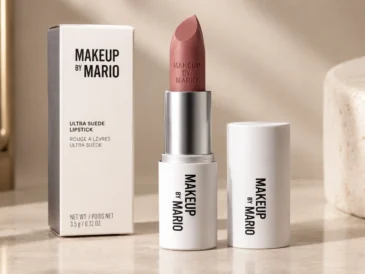
A natural base calls for a polished but simple finish. A defined lash line works well; see this guide to using a mascara primer for eye makeup that pairs with a light base. On the lips, a soft nude keeps the focus on your skin. Take a look at this Dior lip oil review for a glossy, easy option, or this Makeup by Mario Ultra Suede lipstick guide if you prefer a soft matte.
Frequently Asked Questions
Is Dior Backstage Face & Body Foundation full coverage?
No. It’s sheer to medium and buildable. Dior says it can reach high perfection with up to three thin layers, but reviewers found it still shows redness and freckles.
How much does it cost?
$43 on Dior’s US site at the time of writing. Earlier coverage listed $40, and retailers may differ.
Does it have SPF?
Dior’s product page doesn’t mention SPF, so wear sunscreen underneath.
Is it good for oily skin?
Many people like the natural, light feel on oily or combination skin, though one reviewer saw it fade on the nose and chin after about six hours.
Is it good for dry skin?
It can emphasize dry patches, so moisturize first or choose a more hydrating formula.
Can I use it on my body?
Yes, it’s made for face and body, but Dior only gives face application steps. Apply thin layers and let it dry before dressing.
How do I apply it?
Fingers, a sponge or a brush all work. Start with one thin layer and build as needed.
Does it need powder?
No. Dior’s early positioning said it sets as the water evaporates. Use powder only where you want extra matte.
The Bottom Line
Dior Backstage Face & Body Foundation is a light, natural-looking base that suits people who want their skin to show through. It won’t give full coverage, and shade matching and dry skin can be tricky, but with good prep and thin layers it delivers a fresh, breathable finish. If you want to hide blemishes completely, choose a fuller-coverage formula. If you want an easy, modern base for everyday wear, it’s worth a try.

1 Comment
[…] you’re comparing other lightweight, skin-like bases, this review of the Dior Backstage Face & Body foundation covers another sheer-to-medium option and its […]