Most guides on how to clean makeup brushes give you one method and call it done. Then you wash a pricey natural-hair powder brush like a foundation sponge, and it comes out stiff, shedding and sad.
The better approach starts with what the tool is made of and what you put on it. Get that right, and the wash takes five minutes and your brushes last years.
Why a Dirty Brush Is More Than a Cosmetic Problem
A brush collects old makeup, skin oils and dead skin cells, and then puts them back on your face every morning. Mary Brady, MD, a dermatologist at Geisinger, calls that buildup “prime real estate for bacteria to grow.” Cleveland Clinic lists clogged pores, breakouts, rashes, staph infections and pink eye among the possible results.
There is also research behind the worry. A 2019 Aston University study in the Journal of Applied Microbiology found potentially harmful bacteria, including E. coli and Staphylococci, in about nine in ten in-use makeup products. Beauty sponges were the worst offenders, and 93 percent of the ones tested had never been cleaned.
That does not mean every dirty brush will make you sick. It does mean that a tool sitting damp in a makeup bag is the easiest thing on your vanity to fix.
Sort Your Tools Before You Start
The cleaning method depends on the bristles. Synthetic fibers, often used for foundation and concealer, shed oily buildup easily, so a simple soap works well. Natural hair, usually found in powder, blush and eyeshadow brushes, is closer to your own hair and dries out faster, so it prefers a moisturizing cleanser.
NBC Select’s guide, which quotes New York makeup artist Eric Vosburg, offers a useful rule for natural brushes: staining from blush or pigment is normal and does not mean the brush is dirty. If the bristles feel soft and rinse clear, a faint tint is fine.
What to Wash With
Baby shampoo is the most common recommendation, and Cleveland Clinic dermatologist Melissa Piliang names mild soap, baby shampoo or dish soap. Another expert quoted by Healthline advises against hand soap and dish soap because they can dry out natural bristles, so the safest all-round pick is baby shampoo or a gentle facial cleanser.
For natural hair, NBC Select’s picks include a mild bar soap such as Cetaphil’s gentle cleansing bar for natural bristles, and a drop of conditioner for a minute can help real-hair brushes, per a Healthline source. Skip fragranced or alcohol-heavy products if your skin is sensitive, and patch-test anything new.
The Wash Method That Protects the Brush
This is how to clean makeup brushes without loosening the glue, bending the shape or leaving soap behind. The details matter more than the product.
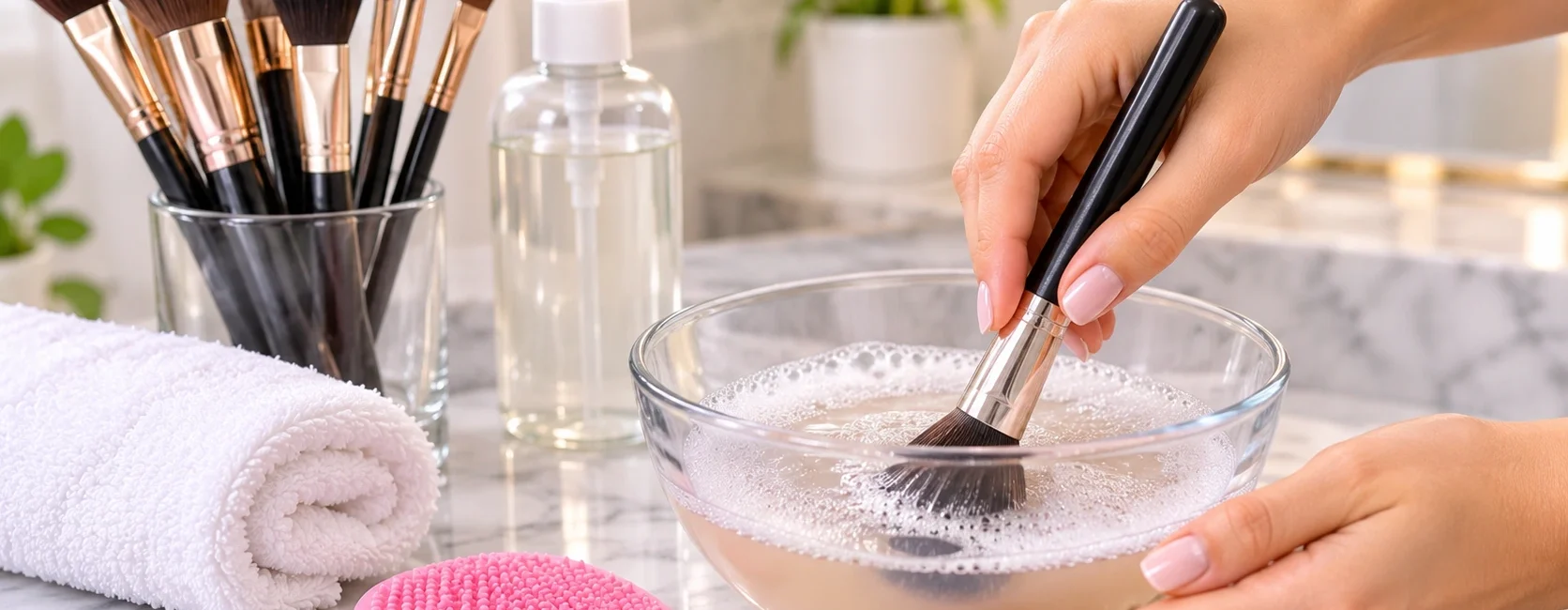
Wet only the bristle tips with lukewarm water, and point them down while you rinse. Water that runs past the metal band, called the ferrule, can loosen the glue that holds the head in place. That is why soaking is a bad idea, and Vosburg warns that it can also increase shedding.
Put a pea-sized amount of cleanser in your palm or on a silicone mat. Swirl the brush gently, massaging the bristles without scrubbing hard or tugging. Rinse until the water runs clear, which can take several rounds for a foundation brush.
Shaping and Squeezing
Squeeze out the water gently with a clean towel, then reshape the head with your fingers. A flat, flared or angled brush that dries in the wrong shape will keep that shape.
Do not twist or pull. Tugging is how bristles end up in your sink and, later, on your cheek.
Drying Is Where Most Brushes Die
Lay the brush flat on a towel with the bristles hanging over the counter edge, so the head does not touch the surface. Cleveland Clinic recommends this to prevent bending. Tom’s Guide adds that bristles touching a towel can cause mildew, and that the handle can rest on the towel as long as the bristles hang free.
Never dry a brush standing upright. Water runs down into the ferrule and the handle, which loosens the glue. A hair dryer is also a poor idea, because heat can change the bristle shape, according to one makeup artist quoted by Healthline.
Plan for overnight drying. Wash brushes in the evening so a damp one never ends up in your face the next morning.
Sponges and Puffs Need a Different Routine
The steps for how to clean makeup brushes only partly carry over to sponges, so treat them separately.
Sponges hold liquid foundation inside them, which makes them the hardest tool to get clean and the one that spoils fastest. Soak the sponge until it is fully wet, lather it with a mild soap, then squeeze and rinse until no color or suds come out. Expect to repeat the process.
Dry sponges fully in open air, because a sealed bag traps moisture. Hair and makeup artist Zac Hart uses a mesh bag for airflow. Tom’s Guide suggests keeping a couple of sponges in rotation, since they take longer to dry than brushes.
Powder puffs can be washed with bar soap or cleanser and dried flat, ideally on a rack so air circulates around them. Vosburg suggests folding a puff and rubbing it together when using liquid soap.
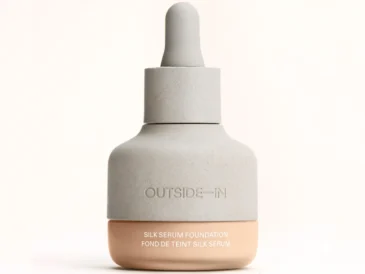
If you use a thin, serum-style base, a damp sponge can also soak up too much product. Why one brand’s serum foundation works better with a brush than a damp sponge shows how the right tool can change how much you need to clean in the first place.
How Often to Wash, According to Different Experts
Here is the part competitors gloss over: experts do not agree on one number. Cleveland Clinic ties frequency to the product, Geisinger says every seven to 10 days, and Tom’s Guide says at least weekly. Another source quotes a minimum of twice a month, with more frequent washes for sensitive or breakout-prone skin.
The table below sorts the tools by what they touch, using the shortest and longest intervals from the sources I read. When sources differ, wash more often if you have acne, eczema or sensitive eyes.
| Tool | Typical interval | Why |
|---|---|---|
| Foundation and concealer brushes | Weekly | Liquid and cream products feed bacteria and build up fast |
| Powder, blush and bronzer brushes | Every two to four weeks | Dry product holds less moisture |
| Eyeshadow and eyeliner brushes | Every two weeks | Cleveland Clinic’s suggested interval |
| Sponges | Spot-clean after each use, deep clean weekly | They hold moisture and product inside |
| Shared or pro-kit brushes | Between every person | Sharing raises infection risk, per Geisinger |
Extra washes make sense after an illness or during a breakout. A makeup artist quoted by NBC advised cleaning brushes after you recover from being sick.
Cleaning Between Washes
Full washes are not the only option, and a quick rinse keeps a busy week manageable. Geisinger’s Brady advises a quick rinse between deep cleans when you change eye colors or see too much pigment on a brush.
Rinse-free quick-dry sprays exist, but an NBC Select expert cautions that overuse can damage brushes and leave residue, so treat them as an emergency tool. I did not find a source I trust on disinfecting with alcohol, so I would not rely on it in place of a proper wash.
Gadgets Worth Knowing About
A silicone cleaning mat or bowl adds ridges that loosen trapped product, and it costs little. Electric brush cleaners spin the bristles for you, though one reviewer noted they don’t fit every brush. A mesh-covered drying rack helps if you wash a lot of tools at once.
None of these is required. The basics are soap, water and a place to dry the brushes flat.
Signs It Is Time to Replace Them
A clean brush can still be a worn-out one. Cleveland Clinic says to replace brushes that become frayed, worn or lose their shape. Tom’s Guide says to replace brushes when bristles fall out or the head becomes misshapen, and sponges every three to six months, or sooner if stains will not lift or the sponge tears.
One expert quoted by Healthline recommends replacing both brushes and sponges every three months. If that is unaffordable, a steady washing routine and a rotation of several brushes helps.
A Simple Weekly Routine
Pick one evening a week and treat it as a reset, as one makeup artist does every Sunday. Wash the foundation and concealer brushes and sponges first, since they are the dirtiest, and let them dry overnight.
Do the eye brushes every second week, and the powder brushes monthly. Geisinger suggests setting a phone reminder so the routine sticks.
The Short Version
Knowing how to clean makeup brushes comes down to matching the soap to the bristles, keeping water off the ferrule and drying them flat with the heads hanging free. Wash liquid-product tools weekly, powder tools less often, and replace anything shedding or misshapen.
If you break out or have sensitive skin, wash more often and see a doctor for redness, pain or discharge around the eyes.
Frequently Asked Questions
Can I use dish soap?
Some experts name it as acceptable, while another warns that it can dry out skin and natural bristles. Baby shampoo or a gentle facial cleanser is the safer choice, especially for natural hair.
How long do brushes take to dry?
Overnight, in most cases. Sponges take longer than brushes, so keep a spare.
Should I wash brushes I never use?
Yes. A Healthline source advises washing all brushes, including unused ones, since they can collect dust and dirt.
Is it bad to wash a brush with the metal part wet?
Water that reaches the ferrule can loosen the glue and shorten the brush’s life. Keep bristles pointing down and rinse only the tips.
How do I clean a beauty sponge?
Soak it, lather with mild soap, then squeeze and rinse until no color or soap remains. Dry it fully in open air, and replace it every three to six months.
Can dirty brushes cause breakouts?
Dermatologists link them to clogged pores, irritation and rashes, so cleaning is worth it if you break out often. Brushes are rarely the only cause, though.
Can I use a hair dryer to speed things up?
It is not recommended, because heat can change the bristle shape. Air drying flat with the bristles hanging off the edge is safer.
Should I share brushes with friends?
No. Sharing raises the risk of passing on infections, so wash brushes between people.