
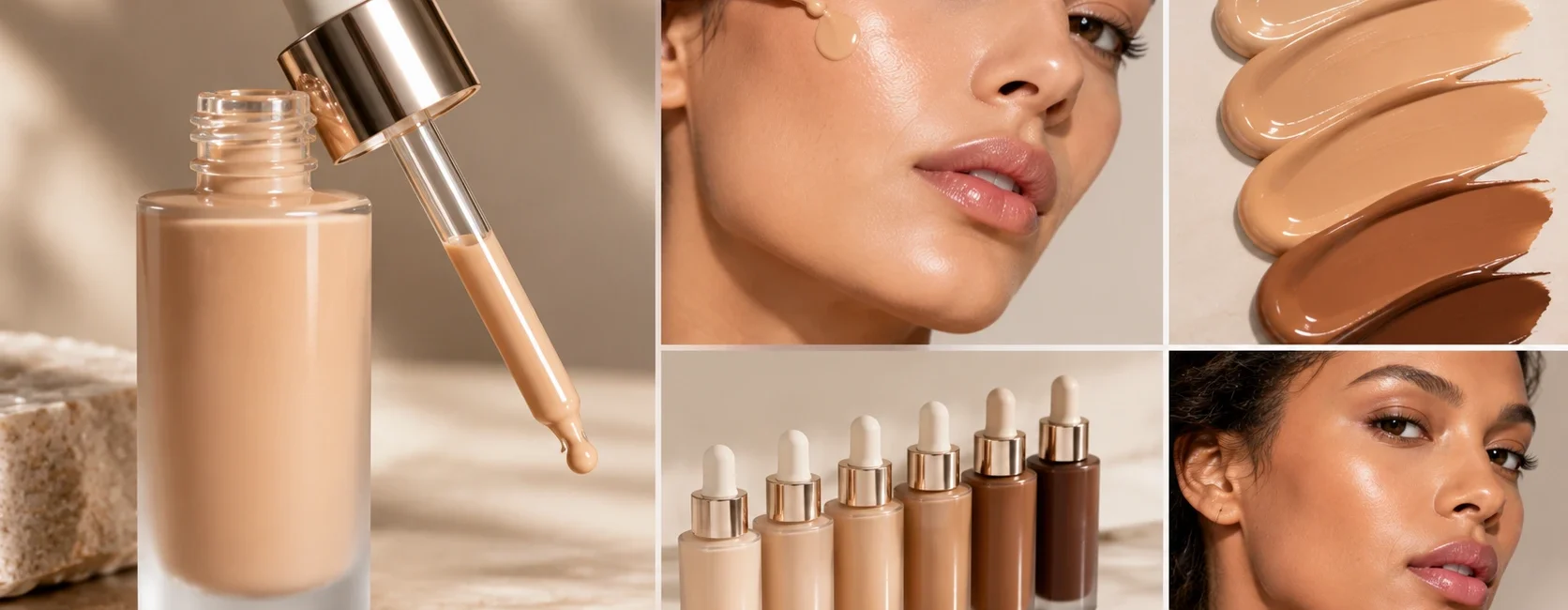
Serum foundation is one of the biggest base-makeup trends of the last few years, and for good reason: it promises the evened-out look of foundation with the feel of a lightweight skincare product. But the label is used loosely. Some “serum foundations” are really sheer tints, some give near-full coverage, and some behave nothing like a serum at all.
Quick Answer: What Is Serum Foundation?
Serum foundation is a fluid, lightweight foundation that blends makeup pigment with skincare-style ingredients such as hyaluronic acid, niacinamide, squalane or glycerin. It’s designed to sink into the skin rather than sit on top, and it usually gives sheer to medium, buildable coverage with a natural or dewy finish. One beauty editor’s roundup describes the category as a mix of skincare and makeup that offers a “second-skin” finish.
Choose it if you:
- Want your skin to look like skin, only more even
- Prefer a light feel for everyday wear
- Have dry or mature skin that dislikes heavy bases
- Like a quick, minimal routine
Choose a different base if you:
- Need full, camera-ready coverage for acne, scarring or heavy discoloration
- Want a base that lasts 12 hours without touch-ups on oily skin
- Expect a serum foundation to replace your actual skincare
Serum Foundation vs. Skin Tint vs. Regular Foundation
These terms overlap, which causes confusion. Here is how they usually compare.
| Skin tint | Serum foundation | Classic foundation | |
|---|---|---|---|
| Coverage | Sheer | Sheer to medium, often buildable | Medium to full |
| Finish | Dewy, fresh | Natural, dewy or blurred | Matte, satin or radiant |
| Feel | Almost nothing | Lightweight, fluid | Can feel heavier |
| Skincare ingredients | Sometimes | Usually front and center | Varies |
| Best for | Everyday, minimal makeup | Natural base with a polished finish | Events, photos, concerns to cover |
A retailer’s guide describes skin tints as sheer products that even tone without hiding your natural skin, and foundations as medium to full coverage that can address redness and discoloration. Serum foundations sit in the middle, but the line is blurry: some products named “serum” are classed as skin tints, and others give almost full coverage.
What You Get (and What You Don’t)
What serum foundation does well
- Evens tone and softens redness without a mask-like look
- Feels comfortable and breathable
- Often sits better on dry or mature skin than heavy foundations
- Layers well under concealer and blush
- Many include hydrating ingredients and some include SPF
What to be realistic about
- Coverage is often lighter than a classic foundation
- It isn’t a substitute for a real serum or sunscreen. Brands rarely disclose ingredient concentrations, so don’t count on skincare results from a makeup product.
- Some are heavier than they look, and some don’t hold up on oily skin
- Finish can look too dewy for people who prefer matte
Ingredients Worth Knowing
You’ll see the same names across serum foundations:
- Hyaluronic acid: a humectant that draws water into the skin. Some brands highlight it as a key claim.
- Niacinamide: commonly used for tone and texture and widely found in these formulas.
- Squalane and plant oils (jojoba, sunflower, marula): add softness and glide.
- Glycerin: a basic hydrator.
- Peptides and vitamin E: added for conditioning.
- Mineral SPF (zinc oxide): appears in some tints, but not all serum foundations include SPF.
If you have allergies or a skin condition, patch-test and ask a dermatologist before adding a new product.
Serum Foundations Worth a Look in 2026
The table below draws on a 2026 beauty editors’ roundup, with prices as listed in August 2026. Prices and shade ranges change, so confirm them before you buy.
| Product | Listed price | Best for | Notes |
|---|---|---|---|
| Neutrogena Sensitive Skin Serum Foundation | About $13 to $14 | Budget, sensitive and dry skin | Buildable coverage and silky feel; shade range is on the smaller side |
| MAC Studio Radiance Serum-Powered Foundation | About $46 | Wide shade range | One of the largest shade ranges listed; reviewers disagree on whether it suits oily or dry skin better |
| Ilia Super Serum Skin Tint | About $48 | Dry skin and one-step routines | Skin tint with SPF; roundups list SPF 30 or 40, so check your bottle |
| Lisa Eldridge Seamless Skin Enhancing Tint | About $48 | Mature skin | Sheer to medium and crease-resistant |
| Drunk Elephant Kamo Triple-Peptide Serum Foundation | About $42 | Higher coverage | Can be mixed with moisturizer for a sheerer look |
| Outside In Silk Serum Foundation | About $64 | Glow | Light to medium and buildable; small shade range |
| M.Ph Le Skin Weightless Serum Foundation | About $49 | Ultra-light feel | Sheer and glowy; works with a fluffy brush |
| Victoria Beckham The Foundation Drops | About $110 | Natural blur | Editors’ overall favorite, with a high price |
| Hermès Plein Air Skincare Foundation | About $145 | Luxury matte-natural finish | Light but smoothing; very high price |
| Clinique Even Better Clinical Serum Foundation SPF 20 | Check retailer | Oily skin | Blurred, buildable and sweat-resistant per one UK roundup; can settle in fine lines |
Notice the disagreement about MAC: one roundup recommends it for oily skin, another calls it not ideal for oily skin. That’s normal in this category, since skin type, climate and prep change the outcome. If you can, test a sample first.
If you’re comparing other lightweight, skin-like bases, this review of the Dior Backstage Face & Body foundation covers another sheer-to-medium option and its trade-offs.
How to Choose by Skin Type
Dry skin. Look for hydrating, dewy formulas with squalane or hyaluronic acid, such as skin tints with SPF. Prep with moisturizer and give it a few minutes to settle.
Oily or combination skin. Choose a blurred or natural-matte finish, apply thin layers and consider a light powder only where you shine. Test wear time before an event.
Sensitive skin. Choose fragrance-free or sensitive-skin formulas and patch-test. Gentle drugstore options exist in this category.
Mature skin. Look for flexible, crease-resistant formulas with sheer-to-medium coverage and a radiant finish, not a flat matte.
Acne-prone skin. Look for non-comedogenic labels, but remember that no label guarantees a clear skin result. Be ready to add concealer for blemishes.
The 3-Question Shortcut to Pick Your Coverage Level
- Do you want to see freckles through your base? If yes, choose a skin tint-style serum foundation.
- Do you want to hide redness or dark spots? Choose a buildable medium-coverage formula, or add concealer.
- Do you need it to last all day without touch-ups? Choose a blurred, transfer-resistant formula, and test it in the weather you’ll be wearing it in.
How to Apply Serum Foundation for the Best Finish
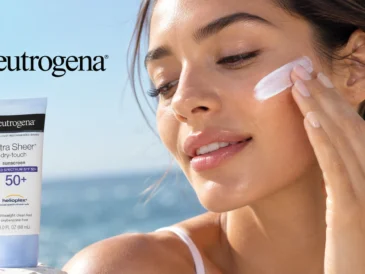
- Start with skincare. Apply moisturizer and sunscreen, then wait a few minutes so the base doesn’t slide. A dependable Neutrogena sunscreen is a good fit under most serum foundations, since many don’t include SPF. If your skin is dry, a hydrating lotion such as the one in this Shiseido hydrating lotion review can help smooth the surface first.
- Use less than you think. One roundup suggests starting with about half a pump for a full face and building from there.
- Warm and press, don’t rub. Dot product on your cheeks, forehead and chin, then press and blend with fingertips or a damp sponge.
- Use a brush for sheer formulas. Some of the lightest products can be buffed in with a fluffy brush.
- Build only where needed. Add a second thin layer on the center of the face.
- Consider shade carefully. Some tints look darker at first, so check your shade in daylight and wait a few minutes before judging.
- Set strategically. Skip powder on dry areas and add a little only to the T-zone.
Finishing the Look
Because a serum foundation leaves your skin looking natural, the rest of your makeup shows more. Define lashes with a clean base such as the one discussed in this mascara primer guide, and add a soft lip color. If you like a modern matte, this Makeup by Mario lipstick review explains how that formula wears.
Common Mistakes
- Expecting full coverage from a sheer formula. Use concealer where you need it.
- Skipping sunscreen. Many serum foundations have no SPF.
- Applying to unprepped skin. Dry patches show through lightweight bases.
- Using too much. Heavy layers can look cakey and slide.
- Choosing by finish alone. Dewy isn’t always best for oily skin.
- Skipping a shade test. Check in natural light.
- Treating it like skincare. It’s a base with skin-friendly ingredients, not a treatment.
Pros and Cons
Pros
- Lightweight, skin-like finish
- Often hydrating and comfortable
- Easy to apply with fingers
- Wide range of prices, from drugstore to luxury
- Good for minimal routines and warm weather
Cons
- Lower coverage than classic foundation
- Quality and wear time vary a lot
- Some options have limited shade ranges
- Luxury versions are expensive
- Not a replacement for skincare or SPF
Frequently Asked Questions
What is serum foundation?
A lightweight, fluid foundation that combines pigment with skincare-style ingredients and usually gives sheer to medium, buildable coverage.
Is serum foundation the same as a skin tint?
They overlap. Skin tints are usually sheerer, while serum foundations often offer more buildable coverage, but some products are labeled either way.
Does serum foundation cover acne or dark spots?
It can soften redness and even tone. For blemishes and heavy discoloration, add concealer or choose a fuller-coverage foundation.
Is it good for oily skin?
It can be, if you choose a blurred or natural-matte, sweat-resistant formula and apply thin layers. Opinions vary by product, so test first.
Is it good for dry or mature skin?
Often yes. Hydrating, flexible formulas tend to sit better than heavy matte bases.
Does serum foundation have SPF?
Some do, many don’t. Check the label and wear sunscreen separately if yours doesn’t include it.
How much should I use?
Start with a small amount, such as half a pump, and build in thin layers.
Can I use it every day?
Yes, for most people. Cleanse your face thoroughly at night, and see a dermatologist if you notice irritation.
The Bottom Line
Serum foundation is best understood as a skin-first base: lighter, more comfortable and more natural-looking than a classic foundation, with coverage that ranges from barely there to buildable medium. Choose by your skin type and coverage needs, prep your skin, apply in thin layers and keep sunscreen in your routine. Do that, and you’ll get the polished, skin-like finish this category is known for.

2 Comments
[…] sits in the same category covered in our guide to serum foundation, where lightweight bases blur the line between skincare and makeup. If you’re new to the […]
[…] belongs to the same family of products covered in our guide to serum foundation, where lightweight, skincare-style bases sit between a skin tint and a classic […]